Quick Answer: Best Time to Visit Europe from India
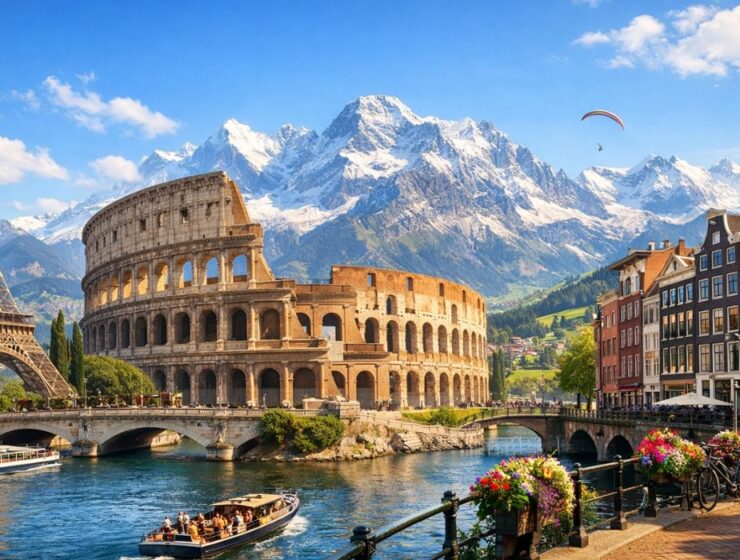
The best time to visit Europe from India is April to June or September to October, when the weather is pleasant and crowds are more manageable. Choose June to August for summer sightseeing, November to December for Christmas markets, and January to March for snow and lower off-season prices.
So, You Want to Visit Europe — But When?
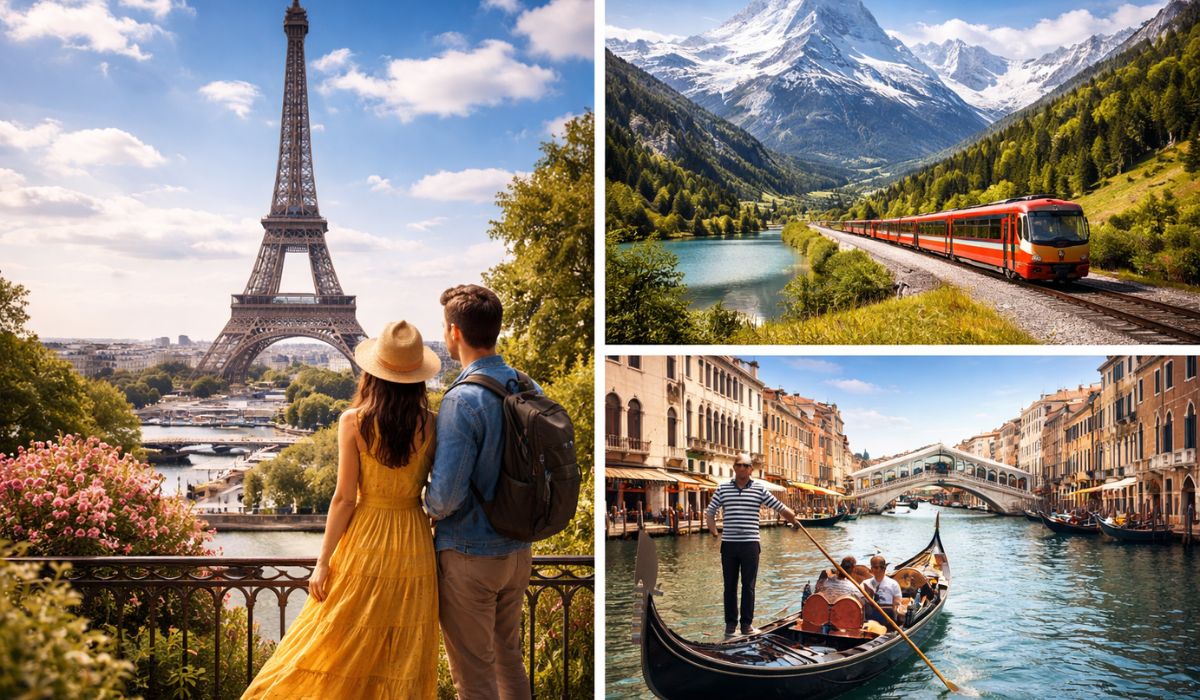
You have been dreaming about cobblestone streets in Paris, snowy peaks in Switzerland, and gondola rides in Venice. You have your passport ready. Your savings are building up. And then — the big question hits you:
“When is the best time to visit Europe from India?”
Honestly, this is the one question that confuses almost every Indian traveller planning their first Europe trip. And the answer is not simply “go in summer.” Because what is perfect for a honeymooner is very different from what suits a budget traveller — or a family with school-going kids.
In this guide, I will break everything down for you — season by season, purpose by purpose, and month by month — so you can plan your Europe trip from India with full confidence.
Europe Seasons Explained: A Guide for Indian Travellers
Ready to plan your holiday? Explore our Europe tour packages from India with customised itineraries, hotels, sightseeing and visa guidance.
India has hot summers, monsoons, and mild winters. Europe is a completely different story. Let me walk you through each season so there are no surprises when you land.
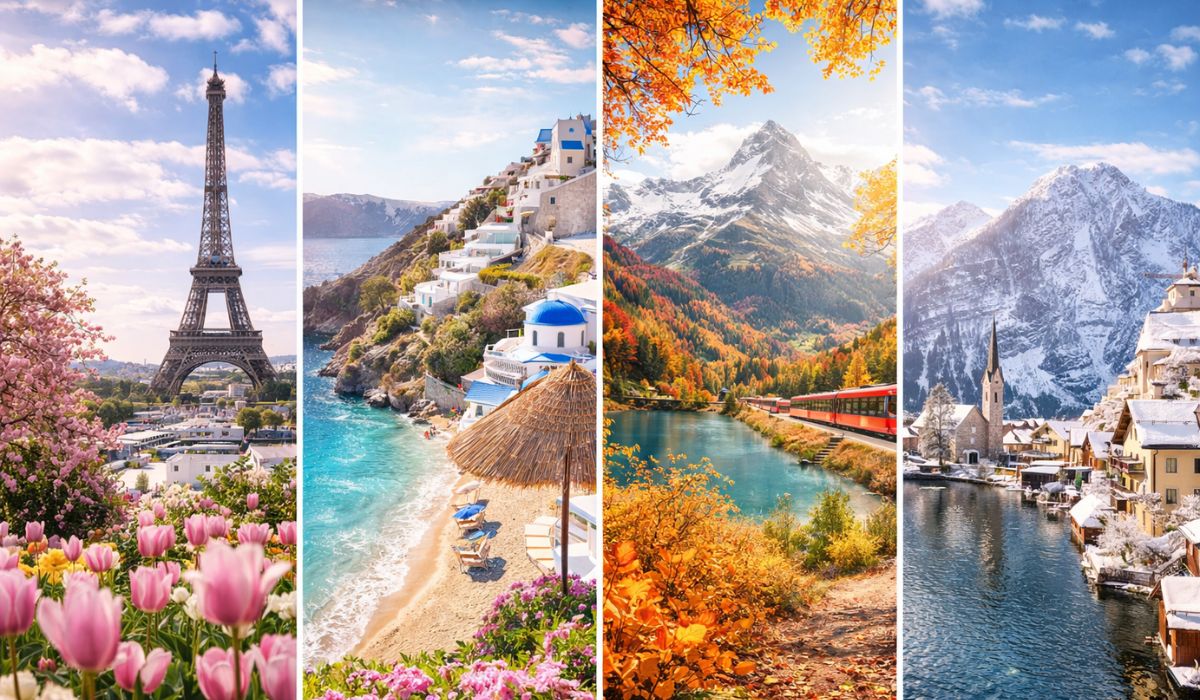
🌸 Spring (March – May) — The Sweet Spot
If I had to pick one season for most Indian travellers, spring would win every time. The weather is mild — typically 12°C to 22°C — and Europe is absolutely gorgeous. Tulips bloom in Amsterdam. Cherry blossoms line the streets of Paris. The Swiss Alps are green and dramatic.
The best part? Flights and hotels in March and early April are still reasonably priced. By May, prices start rising as European school holidays approach. So aim for late March to mid-April for the best value.
- Weather: Weather: Cool and comfortable, light showers occasionally
- Crowds: Crowds: Low to moderate — no long queues at major sights
- Cost: Cost: Affordable in March–April, rising in May
- Best for: Best for: Sightseeing, photography, honeymoon, first-time travellers
☀️ Summer (June – August) — Peak Season, Peak Prices
Summer is when Europe turns into the world’s biggest party. Long sunny days, beach festivals, open-air markets — it is buzzing with energy. Most Indian families and students plan their Europe trip from India during June–July because it aligns with school holidays back home.
But here is the honest truth: summer is the most expensive and most crowded season. Based on travel trends I have tracked over the years, return airfare from Mumbai or Delhi to London in July can be ₹30,000–₹50,000 more expensive than the same route in October. That is a significant amount of money.
If summer is your only option, book flights and hotels at least 4–6 months in advance. Otherwise, you will pay top price and still struggle to find good availability.
- Weather: Weather: Warm to hot, 20°C–35°C across most of Europe
- Crowds: Crowds: Very high — expect queues at every major attraction
- Cost: Cost: Highest of the year — flights, hotels, and tours all spike
- Best for: Best for: Beaches, outdoor festivals, summer vibes with family
🍂 Autumn (September – October) — The Underrated Gem
Ask any experienced traveller and they will tell you — September and October in Europe are magical. The summer crowds disappear, prices drop noticeably, and the autumn foliage in countries like Switzerland, Austria, Germany, and Scotland is absolutely stunning.
For Indian travellers, October is especially convenient. It falls right after Navratri and Dussehra — the perfect time to reward yourself with an international holiday. And the Europe weather in October is crisp, clear, and ideal for sightseeing.
- Weather: Weather: Cool and crisp, 10°C–20°C — perfect for walking tours
- Crowds: Crowds: Moderate and falling — major sights are much calmer
- Cost: Cost: Moderate — great deals available if you book 2–3 months ahead
- Best for: Best for: Budget travel, couples, nature lovers, wine and food tours
❄️ Winter (December – February) — Cold but Charming
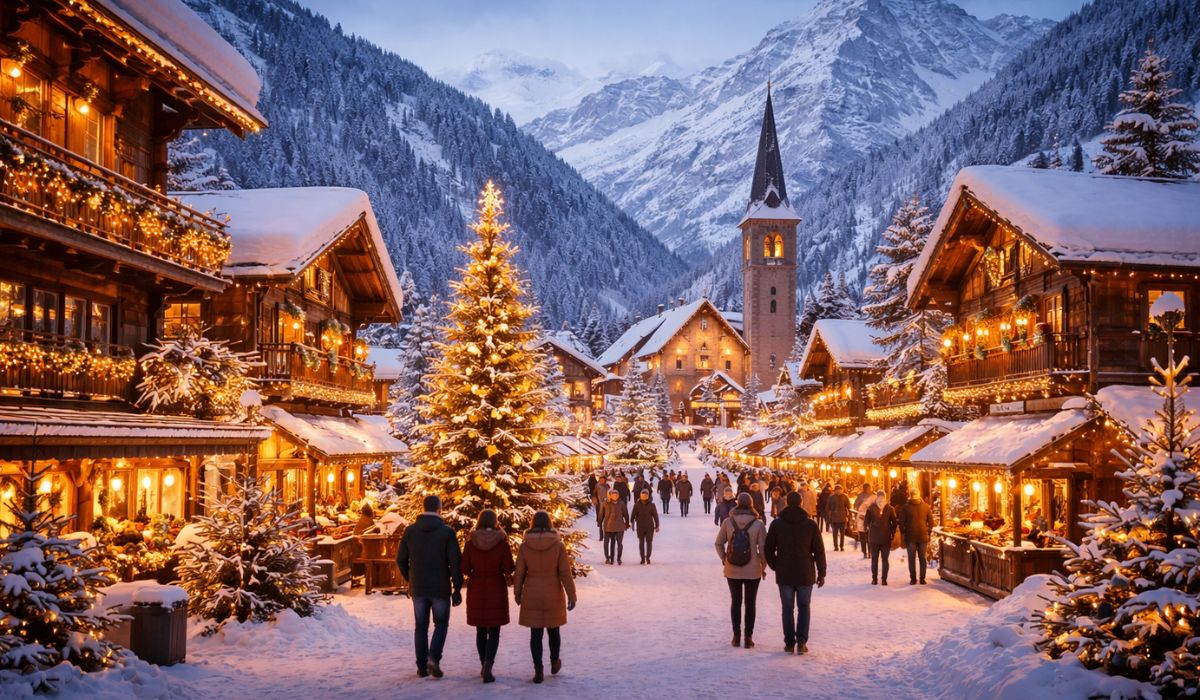
Winter in Europe is cold — we are talking 0°C to 8°C in most cities, and well below freezing in northern and eastern Europe. But it also has a special kind of magic. Christmas markets in Vienna, Prague, and Bruges are genuinely breathtaking. Ski resorts in Switzerland and Austria are in full swing. And the Northern Lights glow over Scandinavia.
Most importantly: January and February are the cheapest months to visit Europe from India. Flights and hotels are at their lowest prices of the year. Except for Christmas and New Year week — those spike again — you will find remarkable deals.
- Weather: Weather: Cold to freezing, 0°C–8°C in most countries
- Crowds: Crowds: Very low — popular spots are peaceful and quiet
- Cost: Cost: Cheapest season overall (except Christmas week)
- Best for: Best for: Budget travellers, snow experiences, Christmas markets
Best Time to Visit Europe Based on Your Travel Purpose
💰 Budget Travellers — Go in January–February or November
The cheapest time to visit Europe from India is January–February, followed by November. Airfare can be 30–40% cheaper than summer, and hotels regularly slash their rates. You will need to layer up with warm clothes, but you will save tens of thousands of rupees. That is money better spent enjoying Europe itself.
Pro Tip: Book your flights at least 3–4 months in advance, regardless of season. Last-minute deals in Europe are rare for travellers flying from India.
💑 Honeymooners — April–May or September
For a romantic Europe honeymoon, spring and early autumn are perfect. Paris in bloom during April is everything the movies promise. Santorini in September, with its warm sea and golden light, is pure romance. And Swiss lakeside towns in October — impossibly beautiful.
Both seasons offer ideal weather without the overwhelming crowds of peak summer. Most Indian honeymooners prefer these months precisely because they get a European experience that feels exclusive, not overcrowded.
⛄ Snow & Winter Experience — December to February
If seeing snow is on your bucket list — especially if it is a first for you or your kids — head to Switzerland, Austria, or Norway between December and February. January is the sweet spot: Christmas tourists have left, ski resorts are fully open, and prices are at their lowest.
Many Indian families specifically plan a January Europe trip for this experience. It is worth every rupee — just pack thermal innerwear, waterproof boots, and a heavy coat.
🏛️ Sightseeing & Culture — April to June or September to October
The shoulder seasons — spring and autumn — are the clear winners for sightseeing. Days are long enough to cover multiple attractions. The weather is cooperative. And the queues at places like the Eiffel Tower, Colosseum, or Sagrada Familia are far more manageable than in July or August.
Based on feedback from hundreds of Indian travellers, those who visit in April or September consistently report a more enjoyable, less stressful experience than those who go in peak summer.
Month-by-Month Europe Travel Guide for Indians
| Month | Weather | Top Countries | Crowds | Budget |
| January | Cold (0–7°C) | Prague, Vienna, Lisbon | Very Low | Cheapest ✓ |
| February | Cold (2–10°C) | Amsterdam, Rome, Paris | Low | Very Low ✓ |
| March | Mild (8–16°C) | Netherlands, Spain, Italy | Low | Low |
| April | Warm (12–20°C) | France, UK, Germany | Moderate | Moderate |
| May | Warm (16–24°C) | All of Europe | Moderate | Moderate |
| June | Hot (20–28°C) | Greece, Croatia, Spain | High | High |
| July | Hot (24–32°C) | Beaches, Scandinavia | Very High | Highest ✗ |
| August | Hot (22–30°C) | Italy, Portugal, Greece | Very High | Very High ✗ |
| September | Warm (16–24°C) | Switzerland, Scotland | Moderate | Moderate ✓ |
| October | Cool (10–18°C) | Germany, Austria, Ireland | Low–Mod | Low–Mod ✓ |
| November | Cold (5–12°C) | Prague, Budapest, Lisbon | Low | Low ✓ |
| December | Very Cold (0–6°C) | Vienna, Bruges, Reykjavik | Moderate | Moderate* |
* December costs spike sharply during Christmas week and New Year’s Eve. Early December (1st–20th) offers great value.
Europe Trip Cost from India — Season-by-Season Breakdown
Let us talk real numbers. Based on travel trends and average booking data for Indian travellers, here is what a 10-day Europe trip for one person typically costs:
| Season | Return Flights | Hotels (10 nights) | Rating | Verdict |
| Jan–Feb (Winter) | ₹45,000–₹65,000 | ₹28,000–₹45,000 | ★★★★★ | Best Budget |
| Mar–Apr (Spring) | ₹52,000–₹75,000 | ₹36,000–₹58,000 | ★★★★☆ | Best Value |
| May–Jun | ₹65,000–₹95,000 | ₹50,000–₹80,000 | ★★★☆☆ | Rising Cost |
| Jul–Aug (Peak) | ₹85,000–₹1.25L | ₹70,000–₹1.20L | ★★☆☆☆ | Most Expensive |
| Sep–Oct (Autumn) | ₹52,000–₹78,000 | ₹36,000–₹58,000 | ★★★★☆ | Great Value |
| Nov | ₹46,000–₹68,000 | ₹28,000–₹46,000 | ★★★★★ | Budget Gem |
Note: Prices are approximate per person for a mid-range trip. Includes accommodation only — food, local transport, and attractions add roughly ₹2,500–₹4,000 per day.
A full 10-day Europe trip from India for two people typically ranges from ₹1.8 Lakh (budget, winter) to ₹4.5 Lakh (mid-range, summer). Plan accordingly.
If you want a clear budget idea, checking different Europe trip packages from India can help you understand real pricing and inclusions.
If you want a detailed breakdown, you can check this complete Europe trip cost from India guide to understand expenses better.
Essential Europe Travel Tips for Indian Travellers
✈️ Flight Booking — Save Big with Smart Timing
- Book return flights at least 3–4 months ahead for spring/autumn; 5–6 months for summer
- Compare Emirates, Air India, Qatar Airways, and Lufthansa — all offer competitive India–Europe fares
- Flying via Dubai, Doha, or Abu Dhabi is often ₹8,000–₹15,000 cheaper than direct routes
- Avoid booking around Indian long weekends — demand spikes and prices follow
- Set fare alerts on Google Flights or Skyscanner 4–5 months before your planned travel date
📋 Schengen Visa — Start Early, Avoid Stress
- Indian passport holders need a Schengen visa for most of Europe — apply at least 6–8 weeks before travel
- Apply at the embassy of the country where you will spend the most days on your trip
- Keep confirmed flight bookings and hotel reservations ready before applying
- Processing typically takes 15–30 business days — do not leave it to the last minute
- Summer visa appointments (June–August) fill up fast — start the process by March or April
- Travel insurance is mandatory for Schengen visa applications — budget ₹1,500–₹3,000 for this
🧳 Packing Smart — Season-by-Season Guide
- Summer (Jun–Aug): Light cotton clothes, sunscreen SPF 50+, comfortable walking shoes, power bank, reusable water bottle
- Spring/Autumn (Mar–May, Sep–Oct): Layered clothing, light waterproof jacket, jeans, one warm sweater
- Winter (Dec–Feb): Thermal innerwear (top + bottom), heavy coat, waterproof boots, gloves, muffler, warm hat
- All seasons: Universal travel adapter (Type C/E plug), euros in cash for smaller towns, copies of all documents
💳 Money & Budgeting in Europe
- Most of Europe uses the Euro (€) — except UK (GBP), Switzerland (CHF), and a few Eastern European countries
- Carry €100–€200 in cash for small shops, local markets, and countryside areas
- Inform your Indian bank about your travel dates to prevent card blocks abroad
- Niyo Global or HDFC Forex cards are popular among Indian travellers for low foreign transaction fees
Best Time to Visit Europe — Quick Comparison Table
| Season | Weather | Budget | Crowds | Best For |
| 🌸 Spring (Mar–May) | Mild & Pleasant | Moderate | Low–Moderate | Honeymoon, First Timers, Sightseeing |
| ☀️ Summer (Jun–Aug) | Hot & Sunny | Highest ✗ | Very High ✗ | Beaches, Festivals, Families |
| 🍂 Autumn (Sep–Oct) | Cool & Crisp | Moderate ✓ | Low–Moderate | Budget Couples, Nature, Food Tours |
| ❄️ Winter (Dec–Feb) | Cold–Freezing | Cheapest ✓✓ | Low ✓ | Budget Travel, Snow, Christmas Markets |
For a step-by-step plan, you can also follow this complete Europe travel guide for Indians covering visas, routes, and itinerary ideas.
Final Verdict: Best Time to Visit Europe from India
So, what is the real answer? Here is my clear, honest recommendation — based on years of helping Indian travellers plan their Europe trips:
- Best overall: Go in April–May if you want the best mix of weather, experience, and price. This is the sweet spot for most Indian travellers — especially first-timers and honeymooners.
- Best value: Go in September–October to save money without giving up beauty or comfort. Autumn is criminally underrated and delivers a stunning Europe experience.
- Best budget: Go in January–February if your priority is saving money and you do not mind bundling up. You will see a quieter, more local side of Europe.
- Peak season: Go in June–August only if school holidays leave you no choice. Book early — at least 5–6 months ahead — and budget generously.
There is no single “perfect” month for everyone. But armed with this guide, you now know exactly when to go, what to expect, and how much to budget — based on your travel style and purpose.
Europe is beautiful in every season. The key is going prepared, booking smart, and setting the right expectations. Do that, and you will have the holiday of a lifetime.
🌍 Ready to Plan Your Europe Trip?
Whether you are planning a honeymoon, a family holiday, or a solo budget adventure — our travel experts are here to help you build the perfect Europe itinerary.
Get a free Europe trip consultation → Plan Your Dream Trip
Frequently Asked Questions (FAQs)
Q1. Which is the best time to visit Europe from India for the first time?
April–May (spring) is ideal for first-time visitors. The weather is pleasant (12°C–22°C), crowds are moderate, and prices are reasonable compared to peak summer. You get the best sightseeing conditions without the stress of peak-season queues and costs.
Q2. Which month is the cheapest to visit Europe from India?
January and February are consistently the cheapest months. Flights and hotels are at their lowest prices of the year during this period. November is also very affordable. Just be prepared for cold weather and shorter daylight hours — but you can save ₹40,000–₹70,000 compared to summer travel.
Q3. What is the best time for a Europe honeymoon from India?
For honeymooners, April–May and September are the top choices. Paris in spring and Santorini or Swiss lake towns in September are especially popular with Indian couples. The weather is romantic, crowds are manageable, and you get great value compared to peak summer rates.
Q4. Is December a good time to visit Europe from India?
Early December (1st–20th) is actually a wonderful time. Christmas markets in Vienna, Prague, Bruges, and Strasbourg are magical — fairy lights, mulled wine, and festive charm. Avoid the last week of December, though — Christmas and New Year prices spike significantly and tourist spots get very crowded.
Q5. How early should I apply for a Schengen visa from India?
Apply at least 6–8 weeks before your travel date. If you are travelling in summer (June–August), start the process 3–4 months early because visa appointment slots fill up very quickly during peak season. Processing typically takes 15–30 business days once your appointment is done. Always have confirmed flight and hotel bookings ready before applying.